
Stacking Calm Into the Busy Day
Today we explore habit stacking strategies to embed calm into everyday tasks, turning routine moments into micro-rituals that steady your mind and body. Expect friendly science, tiny experiments, and stories you can copy this week. Share your wins, ask questions, and join a gentle movement toward steadier days, one breath, sip, stretch, or smile linked to something you already do.
Start Where You Already Are
Morning Anchors You’ll Actually Keep
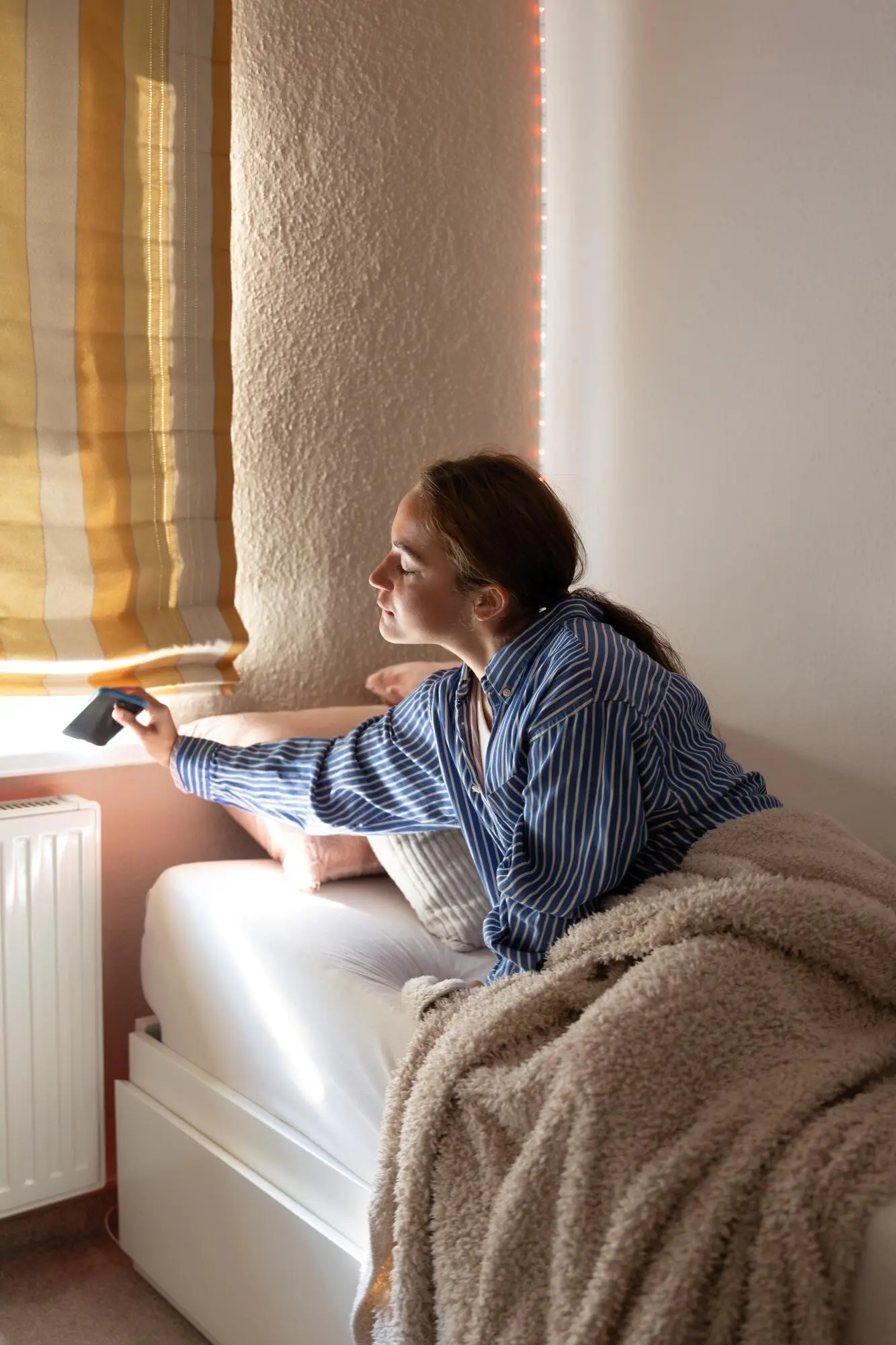
Let the first light, kettle click, or bed-making become a cue for one long exhale and a quick shoulder roll. While coffee blooms, place your hand on your heart and set a simple intention. These seconds accumulate gently, teaching your nervous system safety. Over a week, mornings feel less like a sprint and more like a confident glide, calm stitched invisibly into ordinary starts.
Commute Cues That Soften Edges
Treat the door handle, seatbelt click, or transit chime as invitations to relax your jaw and lengthen your breath. Choose a landmark to remind you to unclench your hands. Whisper a grounding phrase at red lights. The road stays the same, yet your inner ride changes. By stacking calming cues onto familiar signals, you arrive with more presence, less reactivity, and clearer attention.
Evening Transitions That Quiet the Noise
When you turn off kitchen lights, add three gratitude breaths. As the dishwasher hums, stretch calves against the counter and soften your gaze. While setting out tomorrow’s mug, release your shoulders and picture one kind act you’ll carry forward. Tiny closures help your system downshift. Repeated nightly, these gentle finish lines make rest approachable, supporting deeper sleep and easier mornings without heroic effort.
The Science Behind Gentle Micro-Rituals

Cue–Routine–Reward, Refreshed for Calm
Identify a cue you can’t miss, attach a tiny calming routine, and end with a satisfying emotional reward, like a silent “nice job” or a gentle smile. The brain registers closure and cues return become stickier. When the reward is felt immediately, your system tags the sequence as worthwhile. Consistency outperforms intensity, making serenity a practiced pattern instead of a sporadic lucky break.

Nervous System Whispers, Not Shouts
Longer exhales, softened gaze, and relaxed shoulders tell the vagus nerve, “we are safe.” Stacking these signals onto everyday tasks creates frequent invitations into parasympathetic rest. Rather than chasing dramatic calm, you deposit tiny signals all day. The body learns to settle faster, reducing stress spikes. Over weeks, baselines shift, recovery speeds up, and you trust your capacity to return to center.

Tiny Wins, Lasting Neural Grooves
Neuroplasticity favors repetition. A five-second breath linked to a predictable cue rewires more reliably than an occasional thirty-minute session. Each repetition lays myelin on a supportive pathway, making calm easier to access under pressure. Celebrate completion, not magnitude. That emotional pat-on-the-back cements learning, ensuring your brain says, “let’s do that again,” even on hectic days when perfection is impossible and progress still counts.
Design Frictionless Prompts
Great intentions fail when cues hide. Make reminders obvious, accessible, and kind. Place prompts where your eyes naturally land, stack calming actions where your hands already move, and shape environments that nudge without nagging. The less willpower required, the more reliable your practice. Consider sensory richness, gentle humor, and personal meaning so prompts feel like allies, not scolds, inviting participation even on messy days.
Placeholders You Can See and Feel
Position a smooth stone by your toothbrush to invite three calm breaths. Stick a subtle dot near the sink reminding you to relax your shoulders. Tie a ribbon on your water bottle to cue slow sips. These tactile, visual prompts interrupt autopilot kindly. Because they live exactly where action happens, they shorten the distance between noticing and doing, making steadiness wonderfully inevitable.
Time-Based Tethers That Actually Stick
Pair your calm action with predictable times you never skip: after lunch, before the 3 p.m. slump, right as you shut your laptop. Set chimes with gentle tones, not alarms that spike stress. Protect the ritual’s micro-size so it stays doable. When clocks, calendars, and circadian dips collaborate with your intention, the practice rides an existing wave, requiring almost no extra momentum to begin.
People, Promises, and Playful Signals
Ask a teammate for a shared sip-and-stretch cue before meetings. Send a daily emoji to a friend after your evening breath practice. Wear a bracelet you touch before opening email. Social and symbolic signals add warmth and accountability without pressure. They transform private good intentions into supportive, light-hearted agreements, reminding you that calm can be communal, sustainable, and, surprisingly, fun to maintain together.
From Stressed to Steady at Work
Workdays invite reactivity, yet they overflow with dependable anchors: logins, calls, documents, coffees. Attach brief calming moves to these moments and your output improves without extra hours. Fewer mistakes, steadier focus, kinder communication. The office becomes a practice studio where small resets protect energy. Colleagues notice your grounded presence, not because you work less, but because you switch states wisely and recover quickly.
Inbox, Then Inhale
Before opening email, place both feet flat, soften your belly, and take three slow breaths. On exhale three, whisper “only one thing now.” This stack reduces darting attention and knee-jerk replies. It safeguards tone and priorities. Over time you associate the inbox with composure, not cortisol. That association shifts entire threads, guiding clearer boundaries, cleaner requests, and responses that land more generously.
Arriving in Meetings with Presence
Use the calendar pop-up as a cue. Take a sip of water, roll your shoulders, and look at one spot in the room to settle your eyes. Name your intent silently: listen first. That thirty-second ritual calms mic jitters, reduces interrupting, and invites curiosity. Meetings feel less performative and more collaborative. You leave with better notes, fewer regrets, and decisions made from clarity rather than urgency.
Micro-Break Choreography That Protects Focus
After ninety minutes, stand, scan the horizon, and breathe out longer than you breathe in. Shake hands gently, step away for thirty seconds. Stack this pattern onto a recurring timer. The brief reset prevents exhaustion from masquerading as productivity. Returning, you choose the next most important task with fresh eyes. These tiny recoveries compound, creating a workday that is sustainably intense, not frenetically draining.
Kitchen Flow Ritual

While water boils, let your jaw hang for two breaths, then smile softly. As you chop, match rhythm to your breathing, exhaling on the downstroke. Wipe counters with slower, wider movements. These motions calm through sensation and predictability. The meal tastes better because you prepared it with steadier attention, and you carry that settled state to the table, inviting kinder conversation and easier digestion.
Laundry as Moving Meditation

When the dryer buzzes, pause and feel your feet. As you fold, trace edges with fingertips, exhaling longer on each crease. Thank one item for where it carried you today. This playful gratitude anchors presence. The pile shrinks while your mind quiets. Soon you associate clean cotton and warm fabric with a quieter pulse, proof that even chores can return you to yourself.
Digital Sunsets and Softer Evenings

Use plugging in your phone to trigger a breath and a book. Dimming living room lights cues your body to downshift. Place the charger outside the bedroom as a physical boundary. The stack becomes: charge, breathe, page. Blue light retreats, ruminations soften, and sleep arrives friendlier. Night after night, this gentle choreography rewrites your evening story from endless scrolling to genuine restoration.
Troubleshoot, Iterate, Sustain
When Stacks Wobble, Get Curious
If a ritual stalls, ask which link failed: cue unseen, action too big, or reward too faint. Adjust one element only. Make the practice laughably small for a week. Success rekindles momentum. Curiosity replaces shame, inviting learning. This compassionate debugging keeps your system engaged, making the path back short and friendly, even after travel, illness, deadlines, or a perfectly human streak of forgetfulness.
Measure What Actually Matters
Track how you feel before and after, not just streaks. Jot one word: lighter, steadier, clearer. Count calm minutes created indirectly by better choices. Data should encourage, not intimidate. If tracking becomes heavy, simplify to weekly reflections. Let the evidence of ease guide adjustments. Over time, you’ll see patterns that reward small consistency more than intensity, reinforcing habits that genuinely change your days.
Refresh With Seasons and Travel
When daylight shifts or suitcases appear, rebuild stacks around new anchors: hotel keys, airport security trays, different mugs. Keep the action tiny and the reward immediate. Seasonal cues—coats, sunscreen, earlier sunsets—offer fresh attachment points. Treat each transition as an invitation to redesign. This flexibility preserves continuity without rigidity, ensuring your calm practice feels alive, portable, and suited to wherever your changing life unfolds.

Share Your Stack Story Below
Describe one cue you already use and the calming action you’ve paired with it. Include what changed, however small. Your experience might unlock someone else’s breakthrough. Ask a question, borrow an idea, or offer encouragement. Community comments become a living library of real-life adjustments, reminding us that the best methods are those we adapt together, tenderly, week by insightful week.
Pair Up for Playful Progress
Choose a buddy and exchange a daily emoji after your tiny ritual. Keep it light, celebratory, and honest. No guilt, only nudges. When one of you misses, troubleshoot together, shrinking the action or revisiting the cue. Over time, these micro check-ins feel like friendship fuel. Progress sticks because accountability is warm, human, and rooted in shared curiosity rather than pressure or perfectionism.

Celebrate the Quiet Wins Together
Host a monthly roundup where you name the smallest, most surprising improvement: easier mornings, kinder emails, softer shoulders. Highlight process over performance. When groups honor subtleties, the nervous system feels safe continuing. Post your reflections, subscribe for future prompts, and invite a friend. These celebrations stitch meaning into repetition, transforming simple steps into a resilient practice that genuinely supports everyday life.
All Rights Reserved.