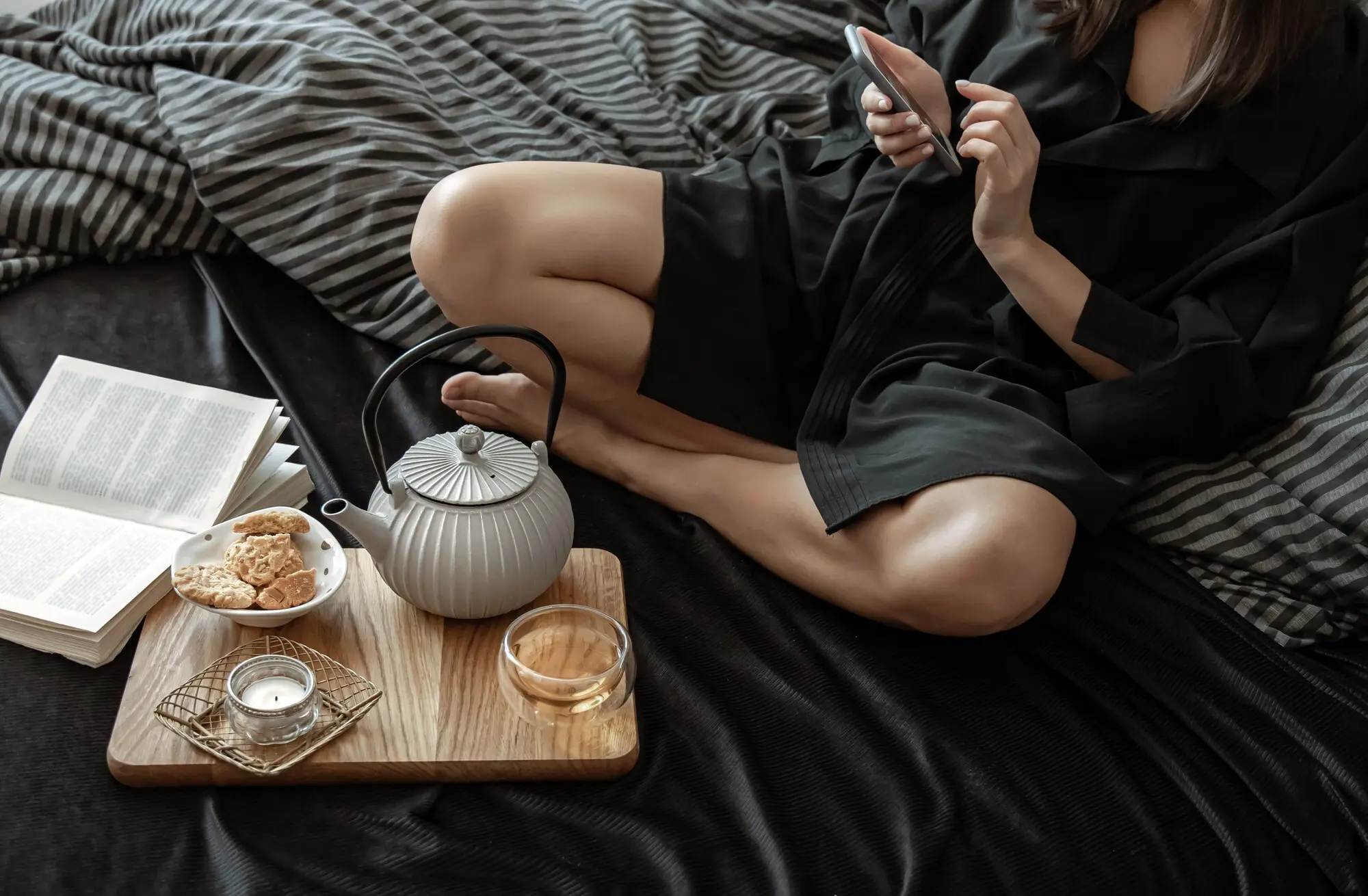

Instant Calm on Cue: Build Habits That Steady Your Mind

Today we dive into designing cue-based habits that trigger instant calm—practical, science-backed routines you can start in seconds. We’ll connect simple, reliable cues to tiny actions that downshift your nervous system, transforming anxious moments into pockets of clarity, confidence, and control wherever life places you.

The Science of Association

When a neutral cue consistently precedes relief, the nervous system anticipates safety earlier each time. Think of scent paired with slow exhale, or a hand-to-heart touch before a grounded sentence. The pairing trains prediction, shrinking the delay between stress spike and steady focus.

From Startle to Steady in Seconds

Start with a brief startle—email ping, calendar chime, or doorway threshold—then immediately run a micro-sequence: physiological sigh, soft eyes, longer exhale. By keeping duration tiny and repeatable, you reduce cognitive load and let the body memorize the shortcut to calm.

Rewards That Teach Your Body to Relax

Reinforce the loop with an immediate, genuine reward: a whisper of appreciation, one mindful sip, or checking a single box. The feeling of completion matters; it cements the association so the cue predicts relief, not avoidance, which dissolves spirals before they escalate.

Spot Your Personal Signals and Anchors

Calm on command depends on noticing what reliably appears before overwhelm. Audit mornings, commutes, inbox surges, and social scrolls to find repeating patterns. Body cues count, too: jaw clench, shallow breath, restless feet. Choose visible, frequent anchors so your practiced response never waits for perfect conditions.

Design the Calm Loop: Cue, Action, Reward

Translate intention into a crisp loop you can run anywhere. Connect a predictable signal to one compact action and finish with a felt reward. Keep the total well under a minute so your mind believes, repeats, and benefits without negotiation.

Write If–Then Blueprints That Survive Chaos

Make it unmistakable: If I open my inbox, then I place feet flat, inhale through nose, exhale longer, and release my jaw. If the doorbell rings, then I soften gaze and count five exhales. Specificity removes guesswork when stress scrambles working memory.

Keep the Action Tiny, Precise, and Physical

Choose actions that work seated, standing, or walking: physiological sigh, box breath, shoulder drop, or a palm press over sternum. Tiny and precise wins because consistency beats intensity; when actions require no setup, your loop survives crowded trains and tense hallways.

Seal the Loop with Immediate, Honest Reward

End with a cue your brain loves: a quiet nod, marking a tally, one purposeful sip, or reading a single calming line. The reward need not be grand; it only needs to feel true, creating closure that invites the next repetition without friction.

Shape Your Environment to Whisper 'Now Breathe'
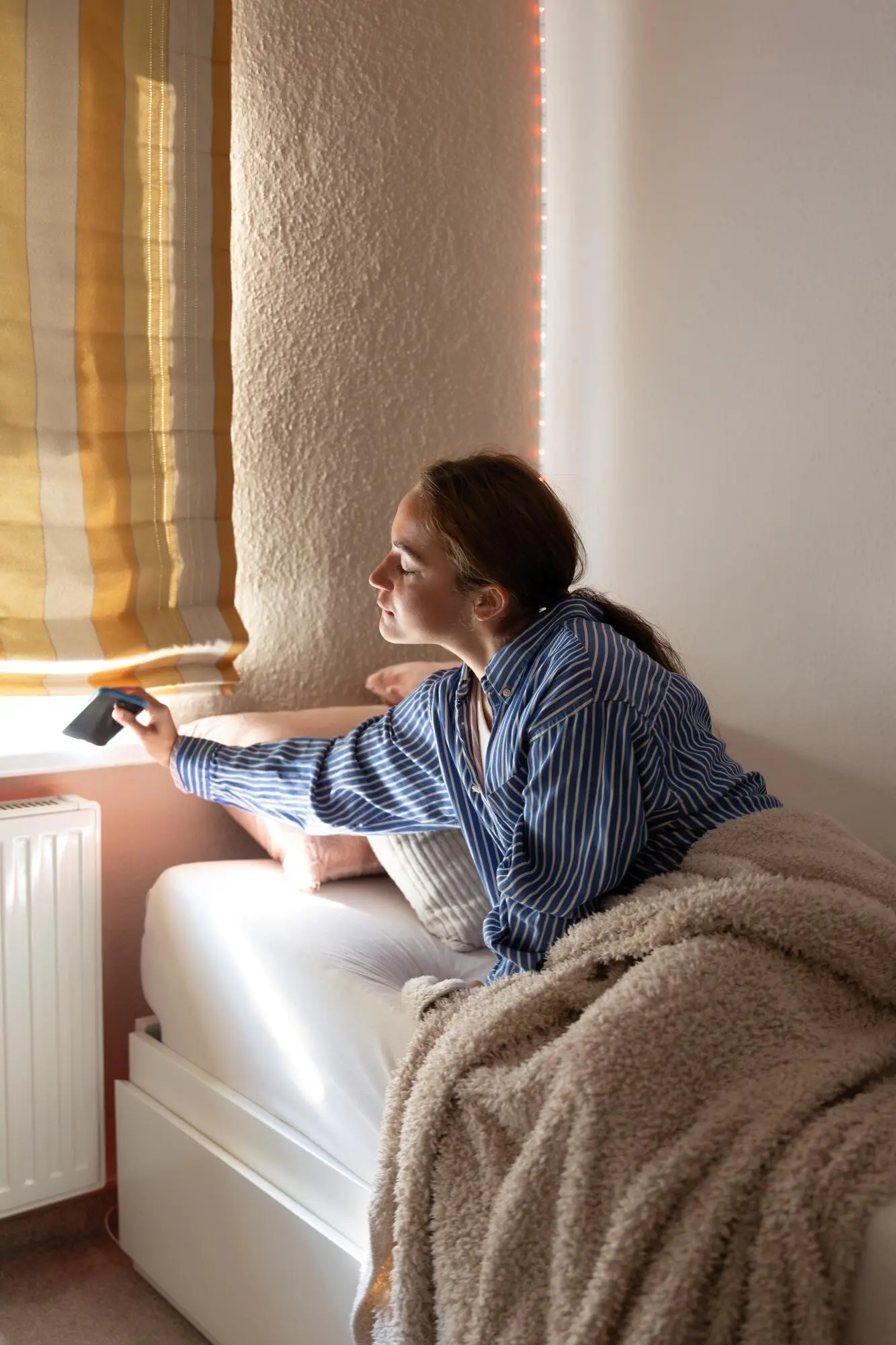
Surround yourself with gentle signals that ask little yet help a lot. Place visual anchors where your eyes already land, pair routines with lighting scenes, and design friction so the calming choice is easiest. Small architectural tweaks outperform heroic willpower when the day turns turbulent.

Rehearsal Drills for Real-World Stress
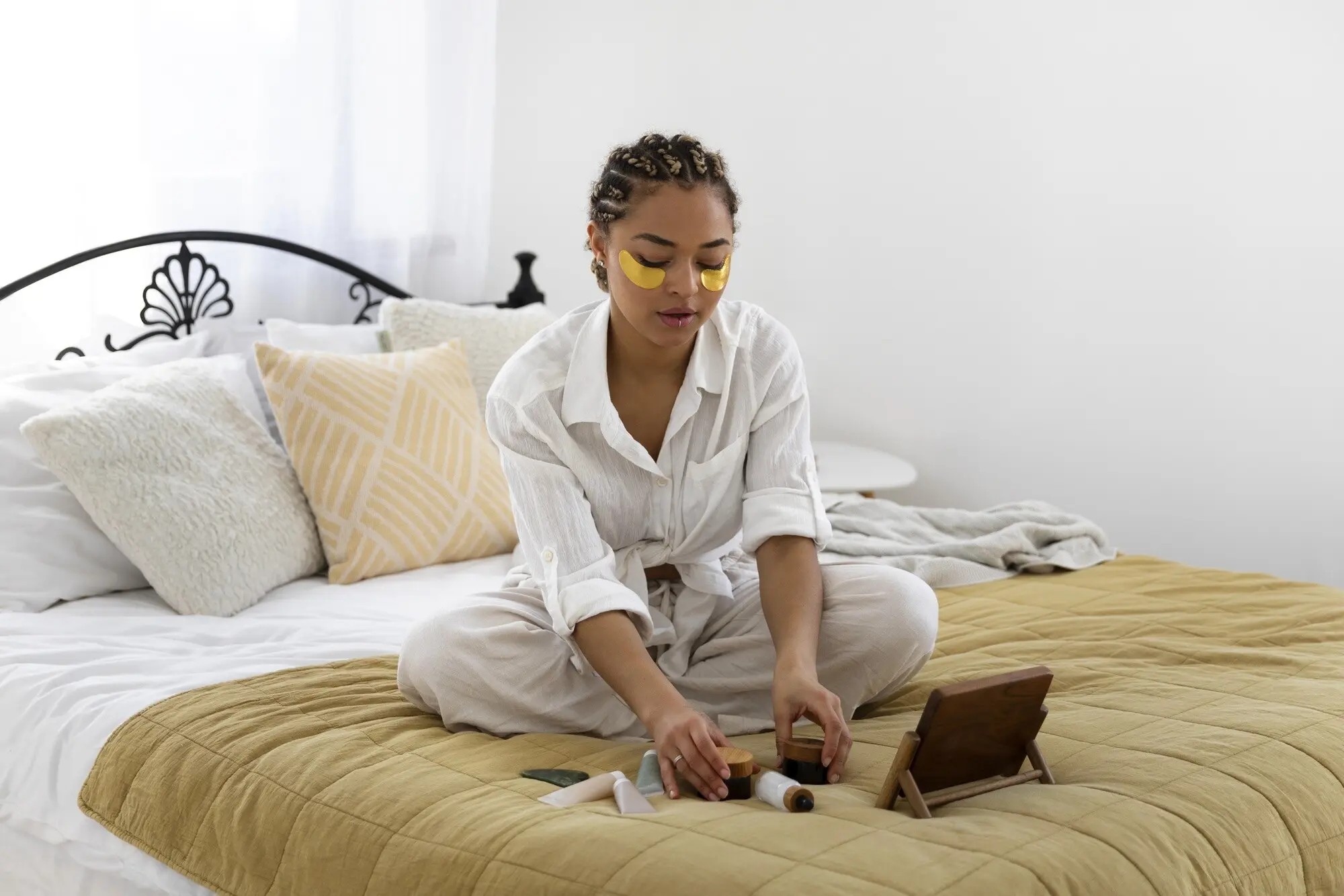
Simulate likely storms: start the kettle and answer a tough email, practice your loop at the doorstep before guests arrive, or after a calendar alert. Rehearsal teaches your reflexes to deploy under load, converting deliberate steps into reliable, graceful micro-rituals.

Track Wins with Compassionate Data

Use a simple tally, sticker, or short note: cue used, action done, reward felt. Annotate mood shifts without judgment. Over weeks, patterns emerge that reveal which anchors deliver the biggest payoff, guiding gentle adjustments rather than perfectionist overhauls you’ll abandon.

Recovery Plans for Slips and Stormy Weeks

Expect disruption and plan the comeback. Define your smallest restart: one physiological sigh at the next red light, or two shoulder drops after unlocking your phone. Celebrate the return, not the gap, and momentum rebuilds without shame dragging progress underwater.

A Night-Shift Nurse Finds Quiet Between Alarms

Between beeps and hurried charts, Maya anchored calm to hand sanitizer. Pump, rub, long exhale, shoulders melting. Colleagues noticed steadier updates and fewer rushed errors. After two weeks, the scent itself softened her jaw, shortening the path from tension to composure.

A Parent Defuses the Grocery Aisle Meltdown

Before the cart turns down candy row, Eli pauses at the freezer door: palm press to chest, eyes soften, two slow exhales. Child mirrors breath between questions. The pause preserves patience, choices land better, and checkout becomes conversation instead of conflict.

Join the Seven-Day Cue-to-Calm Challenge

Pick one anchor you meet daily, pair it with a fifteen-second action and an immediate reward, then report back. Comment your wins and stumbles, invite a friend, and subscribe for guidance. By day seven, you’ll trust the loop enough to use it anywhere.